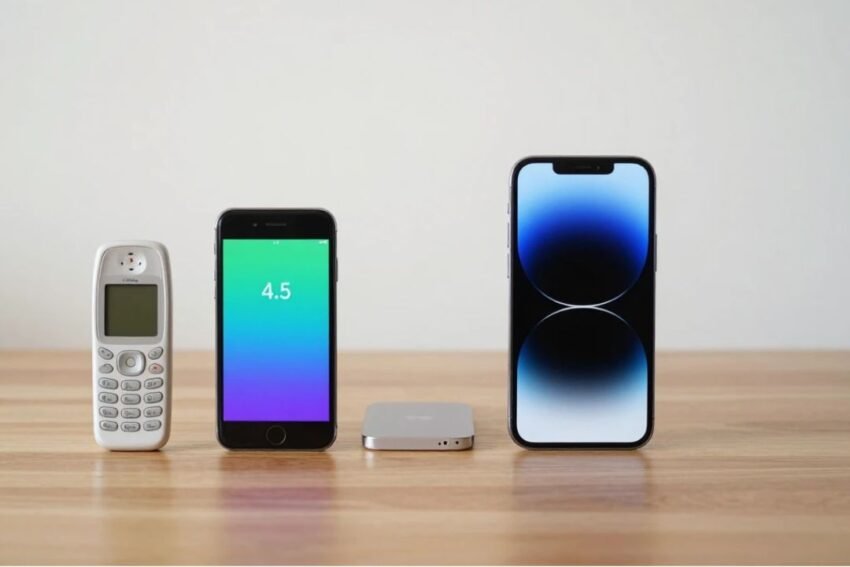
The smartphone has become one of the most important technologies in modern life. Today, people use smartphones for communication, entertainment, education, banking, shopping, photography, business, and countless other activities. However, smartphones did not become powerful devices overnight. They have gone through decades of innovation, improvements, and technological changes.
The journey from basic mobile phones to advanced AI-powered smartphones shows how quickly technology has evolved. Early phones were designed mainly for calling and messaging, while modern smartphones work like powerful computers that can understand users, perform complex tasks, and connect with smart devices.
This complete guide explains the evolution of smartphones, major technological changes, important features, the rise of AI devices, and the future of mobile technology.
The Beginning of Mobile Phones
Before smartphones existed, mobile phones were mainly used for voice communication.
The earliest mobile phones were large, expensive, and limited in functionality. They were mainly used by businesses and professionals because of their high cost and size.
Early mobile phones provided:
- Voice calling
- Basic communication
- Limited battery life
- Simple hardware
These devices changed communication by allowing people to make calls without being connected to a landline.
The Era of Basic Mobile Phones
During the 1990s and early 2000s, mobile phones became more popular among general users.
Companies started creating smaller and more affordable devices with additional features.
Basic phones introduced:
- Text messaging (SMS)
- Contact storage
- Alarm features
- Simple games
- Basic cameras
Mobile phones became a common part of everyday life.
The Rise of Feature Phones
Before smartphones became popular, feature phones dominated the market.
Feature phones offered more capabilities than basic phones but were still limited compared to modern smartphones.
Popular features included:
- Color screens
- Music players
- Internet browsing
- Better cameras
- Multimedia support
These phones introduced users to mobile entertainment and basic internet access.
The Birth of Smartphones
The smartphone era began when mobile devices started combining phone features with computer-like capabilities.
A smartphone is a mobile device that provides:
- Internet access
- Applications
- Advanced operating systems
- Touchscreen interfaces
- Powerful processors
Unlike traditional phones, smartphones allowed users to install applications and customize their devices.
Introduction of Touchscreen Technology
One of the biggest changes in smartphone evolution was the introduction of touchscreen technology.
Touchscreens replaced physical buttons and created a more interactive user experience.
Benefits of touchscreen smartphones included:
- Larger displays
- Easier navigation
- Better app experiences
- Improved browsing
Touchscreen technology became a standard feature in modern smartphones.
The Smartphone Operating System Revolution
Operating systems played a major role in smartphone development.
The operating system controls how a smartphone works and allows users to run applications.
Popular smartphone operating systems include:
Android
Android became one of the most widely used mobile operating systems because of its flexibility and availability across many devices.
iOS
iOS introduced a smooth and secure smartphone experience with strong integration between hardware and software.
Operating systems transformed smartphones into powerful digital platforms.
The Growth of Mobile Applications
Mobile applications completely changed how people use smartphones.
Apps allowed users to perform many tasks, including:
- Social networking
- Online shopping
- Banking
- Gaming
- Learning
- Video streaming
The app ecosystem made smartphones more useful and personalized.
Today, millions of applications are available for different purposes.
Smartphone Camera Evolution
One of the biggest improvements in smartphones has been camera technology.
Early mobile phones had very basic cameras, but modern smartphones now compete with professional cameras.
Smartphone cameras have improved through:
- Higher megapixel sensors
- Multiple camera systems
- AI image processing
- Night photography
- Video stabilization
Modern smartphones can capture high-quality photos and videos in different conditions.
The Impact of Mobile Internet
Internet connectivity transformed smartphones from simple communication devices into powerful digital tools.
Mobile internet allowed users to:
- Browse websites
- Use social media
- Stream videos
- Work remotely
- Access online services
The introduction of 3G, 4G, and 5G networks greatly improved mobile internet experiences.
The Introduction of 3G and 4G Networks
3G Technology
3G introduced faster mobile internet and made services like video calling possible.
Users could:
- Browse websites
- Download applications
- Use online services
4G Technology
4G brought much faster speeds and improved mobile experiences.
It enabled:
- HD video streaming
- Online gaming
- Faster downloads
- Better app performance
These networks helped smartphones become essential digital devices.
The Arrival of 5G Smartphones
5G technology is one of the latest advancements in smartphone evolution.
5G provides:
- Faster internet speeds
- Lower latency
- Better connectivity
- Support for advanced applications
With 5G, smartphones can support technologies such as:
- Cloud gaming
- Augmented reality
- Smart devices
- Real-time applications
The Role of Artificial Intelligence in Smartphones
Artificial Intelligence (AI) is the next major stage in smartphone evolution.
Modern smartphones use AI to improve performance and provide smarter experiences.
AI features include:
- Smart assistants
- AI cameras
- Voice recognition
- Personalized recommendations
- Security improvements
AI allows smartphones to understand user behavior and provide helpful features automatically.
AI-Powered Smartphone Cameras
AI has significantly improved mobile photography.
AI cameras can automatically:
- Adjust lighting
- Improve colors
- Detect objects
- Enhance portraits
- Remove unwanted elements
This allows users to capture professional-quality images without advanced skills.
AI Virtual Assistants
Virtual assistants are becoming smarter with AI technology.
Examples of AI-powered tasks include:
- Answering questions
- Setting reminders
- Managing schedules
- Controlling smart devices
Future AI assistants may become more personalized and capable of handling complex tasks.
AI and Smartphone Security
Security is another area where AI improves smartphones.
AI helps with:
- Face recognition
- Fraud detection
- Threat monitoring
- Privacy protection
Advanced AI security systems make smartphones safer for users.
Foldable Smartphones and New Designs
Foldable smartphones represent another important innovation.
These devices provide:
- Larger screens
- Flexible designs
- Better multitasking experiences
Foldable technology allows smartphones to combine portability with tablet-like functionality.
Wearable Technology Integration
Modern smartphones are becoming part of larger connected ecosystems.
They connect with:
- Smart watches
- Fitness trackers
- Smart glasses
- Smart home devices
This integration creates a more connected digital lifestyle.
Smartphone Technology and Healthcare
Smartphones are also improving healthcare services.
Health-related smartphone features include:
- Fitness tracking
- Heart monitoring
- Health applications
- Remote consultations
Future smartphones may provide even more advanced health monitoring capabilities.
Sustainability in Smartphone Development
Environmental concerns are influencing smartphone design.
Companies are focusing on:
- Recyclable materials
- Energy-efficient components
- Longer-lasting batteries
- Reduced electronic waste
Future smartphones will likely focus more on sustainability and responsible production.
Future of Smartphones: AI Devices
The future of smartphones is moving toward AI-powered devices that can understand users and perform tasks automatically.
Future AI smartphones may include:
- Advanced personal assistants
- Predictive features
- Smarter automation
- Improved health monitoring
- Real-time translation
AI will make smartphones more intelligent and personalized.
How Smartphones Are Changing Daily Life
Smartphones have changed the way people:
- Communicate
- Work
- Learn
- Shop
- Travel
- Access entertainment
They have become essential tools for personal and professional activities.
Benefits of Modern Smartphones
Modern smartphones provide many advantages:
Better Communication
Users can instantly communicate through calls, messages, and video chats.
Productivity
Smartphones allow users to manage work, schedules, and documents.
Entertainment
Users can access games, music, movies, and social platforms.
Learning Opportunities
Educational applications provide access to knowledge anywhere.
Challenges of Smartphone Evolution
Although smartphones provide many benefits, some challenges remain.
Privacy Concerns
More data collection creates privacy challenges.
Security Risks
Smartphones can become targets for cyber threats.
Digital Addiction
Excessive smartphone use can affect daily habits.
Electronic Waste
Frequent device upgrades create environmental concerns.
Frequently Asked Questions (FAQs)
How have smartphones evolved?
Smartphones evolved from basic calling devices into powerful computers with internet access, applications, cameras, and AI features.
What was the biggest smartphone innovation?
Touchscreen technology, mobile applications, and AI integration are among the biggest smartphone innovations.
How is AI changing smartphones?
AI improves cameras, security, assistants, personalization, and automation.
What is the future of smartphones?
The future includes AI-powered devices, advanced connectivity, smart ecosystems, and more personalized experiences.
Are smartphones becoming like computers?
Yes, modern smartphones have powerful processors and features that allow them to perform many tasks traditionally handled by computers.
Conclusion
The evolution of smartphones from basic phones to AI-powered devices represents one of the greatest technological transformations of the modern era. What started as simple communication tools have become powerful digital platforms that support almost every aspect of life.
With advancements in artificial intelligence, 5G connectivity, smart devices, and innovative designs, smartphones will continue becoming more intelligent and useful. The future of mobile technology will focus on creating devices that understand users, improve productivity, and provide smarter digital experiences.
Smartphones are no longer just phones; they are intelligent assistants that continue to shape the future of technology.