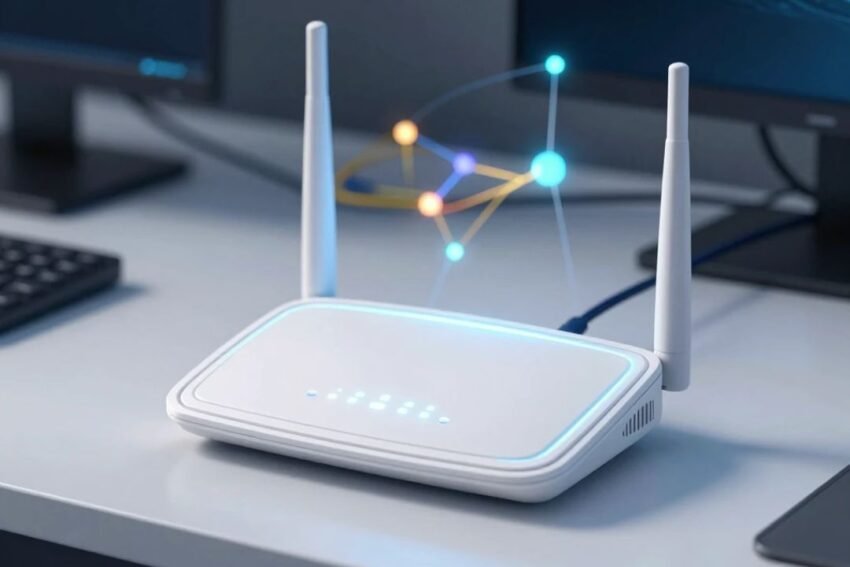
The way people connect to the internet is changing rapidly. Advanced networking technologies such as 5G, next-generation Wi-Fi, and intelligent networking systems are creating a faster, smarter, and more connected digital world.
Today, internet connectivity is no longer limited to computers and smartphones. Millions of devices including smart homes, vehicles, wearable gadgets, industrial machines, and healthcare systems depend on advanced networks to exchange information.
In 2026, networking technology is becoming more powerful with improvements in speed, reliability, security, and automation. Technologies like 5G, Wi-Fi 7, artificial intelligence, edge computing, and the Internet of Things (IoT) are changing how people work, communicate, and use digital services.
This complete guide explains the latest 5G, Wi-Fi, and networking trends that are shaping the future, their benefits, applications, challenges, and impact on everyday life.
The Importance of Modern Networking Technology
Networking technology is the foundation of the digital world. Without advanced networks, modern services such as cloud computing, online communication, streaming, and smart devices would not function effectively.
Modern networks provide:
- Faster internet speeds
- Better connectivity
- Lower response times
- Improved security
- Support for billions of connected devices
As technology continues to grow, the demand for faster and more reliable networks is increasing.
What Is 5G Technology?
5G is the fifth generation of mobile network technology. It is designed to provide faster speeds, lower latency, and better connectivity compared to previous mobile networks.
Unlike older generations such as 3G and 4G, 5G can support a much larger number of connected devices at the same time.
Key features of 5G include:
- High-speed internet
- Low latency
- Improved network capacity
- Better reliability
- Support for IoT devices
How 5G Is Changing Connectivity
5G is transforming many industries by providing faster and more efficient communication.
Examples include:
- Smart cities
- Autonomous vehicles
- Healthcare technology
- Industrial automation
- Augmented reality applications
With 5G, devices can communicate almost instantly, creating new possibilities for digital innovation.
Benefits of 5G Networks
Faster Internet Speeds
One of the biggest advantages of 5G is improved speed.
Users can experience:
- Faster downloads
- Smooth video streaming
- Better online gaming
- Improved cloud access
Lower Latency
Latency refers to the delay between sending and receiving information.
5G reduces latency, which is important for applications that require instant responses.
Examples:
- Online gaming
- Remote surgeries
- Autonomous vehicles
- Real-time communication
More Connected Devices
5G can support millions of connected devices in a small area.
This makes it ideal for:
- Smart homes
- Smart factories
- IoT networks
Future Applications of 5G
5G will continue changing different industries.
1. Smart Cities
Smart cities use connected technology to improve urban life.
5G helps support:
- Smart traffic systems
- Connected public services
- Energy management
- Security systems
Faster networks allow city systems to communicate efficiently.
2. Healthcare Innovation
5G is improving healthcare through advanced connectivity.
Applications include:
- Remote patient monitoring
- Telemedicine
- Connected medical devices
- Real-time health data sharing
Doctors can provide better services using reliable networks.
3. Autonomous Vehicles
Self-driving vehicles require fast and reliable communication.
5G helps vehicles:
- Communicate with each other
- Process information quickly
- Improve road safety
Low latency is essential for autonomous transportation systems.
4. Industrial Automation
Factories are becoming smarter through connected machines.
5G supports:
- Robotic systems
- Automated production
- Real-time monitoring
Smart industries can improve efficiency and reduce costs.
What Is Wi-Fi Technology?
Wi-Fi is a wireless networking technology that allows devices to connect to the internet without physical cables.
It is commonly used in:
- Homes
- Offices
- Schools
- Public places
Wi-Fi technology continues improving with faster speeds and better performance.
The Evolution of Wi-Fi Technology
Wi-Fi has developed significantly over time.
Major generations include:
- Wi-Fi 4
- Wi-Fi 5
- Wi-Fi 6
- Wi-Fi 6E
- Wi-Fi 7
Each new generation improves speed, efficiency, and device connectivity.
Wi-Fi 7: The Future of Wireless Connectivity
Wi-Fi 7 is one of the biggest networking trends in 2026.
It provides improvements such as:
- Higher speeds
- Lower latency
- Better performance
- Improved network efficiency
Wi-Fi 7 is designed for modern applications that require powerful wireless connections.
Benefits of Wi-Fi 7
Faster Performance
Wi-Fi 7 provides faster data transfer for:
- Streaming
- Gaming
- Large file sharing
- Professional applications
Better Network Efficiency
Wi-Fi 7 manages multiple connected devices more effectively.
This is useful for:
- Smart homes
- Offices
- Public networks
Improved Gaming and Streaming
Low latency connections improve:
- Online gaming experiences
- Virtual reality applications
- High-quality video streaming
Wi-Fi and Smart Homes
Smart home technology depends heavily on reliable Wi-Fi networks.
Connected devices include:
- Smart lights
- Smart cameras
- Smart speakers
- Smart appliances
Future homes will require stronger and faster wireless networks.
Artificial Intelligence in Networking
Artificial intelligence is becoming an important part of modern networking.
AI helps networks become smarter by:
- Detecting problems
- Improving performance
- Managing traffic
- Increasing security
AI-powered networks can automatically adjust and optimize themselves.
AI Network Management
Traditional networks often require manual management.
AI allows networks to:
- Predict failures
- Identify unusual activity
- Automatically fix issues
This improves reliability and reduces downtime.
Internet of Things (IoT) and Networking Future
The Internet of Things connects everyday devices through networks.
Examples include:
- Smart appliances
- Wearable devices
- Connected vehicles
- Industrial sensors
Advanced networking technologies make IoT systems faster and more reliable.
Edge Computing and Faster Networks
Edge computing processes data closer to where it is created instead of sending everything to distant servers.
Benefits include:
- Faster responses
- Reduced network traffic
- Better performance
Edge computing works together with 5G and advanced Wi-Fi technologies.
Cloud Networking Trends
Cloud computing depends heavily on strong networking infrastructure.
Modern cloud networks provide:
- Flexible resources
- Remote access
- Better collaboration
- Improved scalability
Businesses use cloud networking to support digital operations.
Network Security Trends
As networks become more connected, security becomes more important.
Future networking systems focus on:
- Advanced encryption
- AI-based threat detection
- Secure authentication
- Privacy protection
Strong security is necessary to protect users and organizations.
Zero Trust Networking
Zero Trust is a modern security approach.
It follows the principle:
“Never trust, always verify.”
Zero Trust networks:
- Verify every user
- Monitor activities
- Limit access permissions
This approach improves cybersecurity.
The Role of Fiber Internet
Fiber optic technology remains an important part of high-speed networking.
Fiber internet provides:
- Extremely fast speeds
- Stable connections
- Low latency
It supports both consumer and business networking needs.
Future Networking Trends in 2026 and Beyond
Several technologies will shape the future of networking.
1. Faster Wireless Networks
Future networks will provide:
- Higher speeds
- Better coverage
- More reliable connections
2. AI-Driven Networks
Networks will become more automated and intelligent through AI.
3. More Connected Devices
The number of IoT devices will continue increasing.
4. Advanced Security Solutions
Future networks will require stronger protection against cyber threats.
5. Satellite Internet Growth
Satellite internet technology is expanding connectivity to remote areas.
It helps provide internet access where traditional networks are difficult to build.
Challenges of 5G and Advanced Networking
Although modern networking provides many benefits, there are challenges.
Infrastructure Costs
Building advanced networks requires significant investment.
Companies need to develop:
- New towers
- Better equipment
- Updated infrastructure
Security Risks
More connected devices create more opportunities for cyber attacks.
Strong security measures are necessary.
Coverage Limitations
Some advanced networks may not be available everywhere, especially in remote locations.
Device Compatibility
Users may need newer devices to take advantage of advanced networking technologies.
How Networking Technology Will Change Daily Life
Future networking will impact many areas.
Communication
People will experience faster and more reliable communication.
Work
Remote work and online collaboration will improve.
Education
Students will benefit from better digital learning platforms.
Entertainment
Streaming, gaming, and virtual experiences will become more advanced.
Transportation
Connected vehicles and smart transportation systems will improve safety.
Frequently Asked Questions (FAQs)
What is 5G technology?
5G is the fifth generation of mobile networks that provides faster speeds, lower latency, and improved device connectivity.
What is Wi-Fi 7?
Wi-Fi 7 is the latest wireless networking technology designed to provide higher speeds and better performance.
How will 5G change the future?
5G will improve smart cities, healthcare, transportation, IoT, and industrial automation.
Why is network security important?
Network security protects connected devices, personal information, and business systems from cyber threats.
What is the future of networking?
The future includes AI-powered networks, faster wireless technology, IoT growth, and improved security.
Conclusion
5G, Wi-Fi, and advanced networking technologies are transforming the way people connect and interact with digital services. These technologies are creating faster, smarter, and more reliable communication systems.
From smart homes and connected vehicles to healthcare innovation and industrial automation, modern networks are becoming the foundation of future technology.
As 5G, Wi-Fi 7, artificial intelligence, and IoT continue to develop, the world will become more connected than ever before. The future of networking is focused on speed, intelligence, security, and creating seamless digital experiences for everyone.