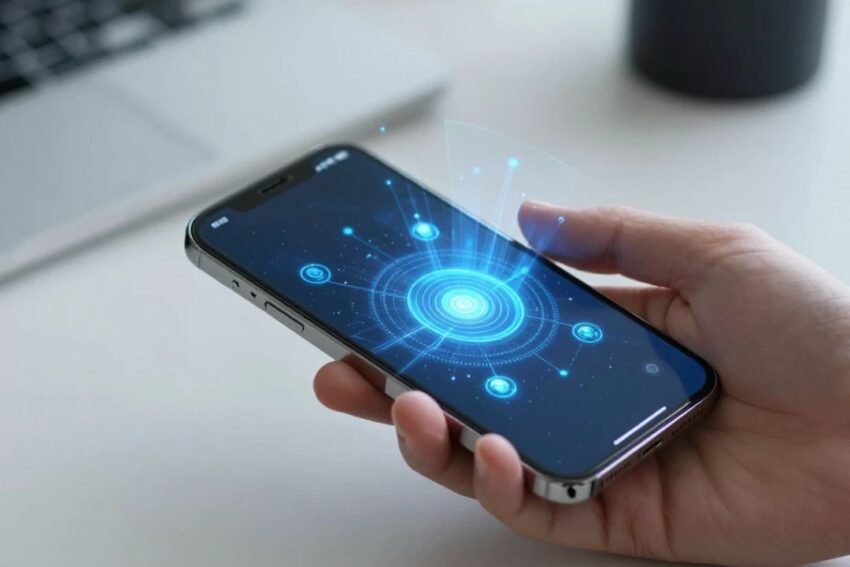
Artificial Intelligence (AI) has become one of the most powerful technologies transforming the mobile industry. Smartphones are no longer just devices for calling, messaging, and browsing the internet. Modern smartphones are becoming intelligent devices that can understand user behavior, improve performance, automate tasks, and provide personalized experiences.
AI is changing how people use smartphones every day. From smarter cameras and voice assistants to advanced security systems and personalized recommendations, artificial intelligence is making mobile devices faster, more efficient, and more useful.
The future of smartphones is closely connected with AI technology. As AI continues to improve, smartphones will become even smarter and more capable of helping users in their daily lives.
This complete guide explains how AI is used in mobile technology, the benefits of AI-powered smartphones, important AI features, future innovations, and how artificial intelligence is making smartphones smarter.
What Is AI in Mobile Technology?
AI in mobile technology refers to the use of artificial intelligence systems and machine learning algorithms inside smartphones and mobile applications.
AI allows smartphones to analyze information, recognize patterns, and make intelligent decisions without requiring constant human input.
Unlike traditional mobile devices, AI-powered smartphones can:
- Learn user habits
- Improve performance automatically
- Recognize images and voices
- Provide smart recommendations
- Automate daily tasks
AI helps smartphones become more adaptive and personalized for individual users.
Why AI Is Important for Smartphones
The amount of data generated by smartphones has increased significantly. Users take thousands of photos, use multiple applications, communicate online, and access digital services every day.
AI helps manage this complexity by providing:
- Faster processing
- Better user experiences
- Improved security
- Smart automation
- Personalized features
Without AI, many modern smartphone features would not be possible.
1. AI-Powered Smartphone Cameras
One of the most visible uses of AI in smartphones is camera technology.
Modern smartphone cameras use AI to automatically improve photos and videos.
AI camera features include:
- Scene recognition
- Automatic lighting adjustment
- Object detection
- Face enhancement
- Background removal
- Image stabilization
AI analyzes the environment and adjusts camera settings to capture better results.
How AI Improves Mobile Photography
Traditional cameras require users to manually adjust settings. AI cameras can make these adjustments automatically.
For example, AI can recognize:
- Landscapes
- Food
- People
- Night scenes
- Animals
After identifying the subject, the smartphone automatically optimizes colors, brightness, and contrast.
This allows users to capture professional-quality images without advanced photography skills.
2. AI Voice Assistants
Voice assistants are another important example of AI in mobile technology.
AI-powered assistants allow users to control smartphones through voice commands.
They can help with:
- Searching information
- Setting reminders
- Sending messages
- Making calls
- Managing schedules
Modern AI assistants are becoming more accurate because they can understand natural language better.
Future of AI Assistants
Future AI assistants may become more like personal digital helpers.
They may be able to:
- Predict user needs
- Complete complex tasks
- Provide personalized suggestions
- Manage smart devices
AI assistants will continue becoming smarter as machine learning improves.
3. AI-Based Smartphone Security
Security is one of the most important areas where AI is improving smartphones.
AI helps protect devices by detecting unusual activity and preventing unauthorized access.
AI security features include:
- Face recognition
- Fraud detection
- Malware detection
- Suspicious activity monitoring
AI systems can analyze patterns and identify potential threats quickly.
AI Facial Recognition Technology
Many smartphones use AI-powered facial recognition for device unlocking.
AI analyzes facial features and creates a secure identification system.
Benefits include:
- Faster unlocking
- Improved security
- Convenient access
As AI technology improves, biometric security will become even more reliable.
4. AI for Battery Optimization
Battery life is one of the biggest concerns for smartphone users.
AI helps improve battery performance by learning how users operate their devices.
AI can:
- Manage background applications
- Reduce unnecessary power usage
- Predict charging patterns
- Optimize battery consumption
This helps smartphones last longer throughout the day.
5. AI-Based Personalization
AI allows smartphones to provide personalized experiences.
Every user has different habits, and AI can learn these patterns.
Examples include:
- App recommendations
- Customized settings
- Smart notifications
- Personalized content
Instead of providing the same experience to everyone, AI helps smartphones adapt to individual users.
6. AI in Mobile Applications
Many mobile applications now use AI to provide advanced features.
Examples include:
Social Media Apps
AI helps with:
- Content recommendations
- Image recognition
- Personalized feeds
Shopping Apps
AI provides:
- Product suggestions
- Customer recommendations
- Search improvements
Learning Apps
AI supports:
- Personalized lessons
- Smart feedback
- Language learning
AI makes applications more intelligent and user-friendly.
7. AI and Mobile Gaming
AI is changing the mobile gaming industry.
AI technology improves gaming through:
- Smarter opponents
- Better graphics optimization
- Personalized gameplay
- Performance improvements
AI can adjust gaming experiences based on user behavior.
With faster processors and advanced AI systems, smartphones are becoming powerful gaming devices.
8. AI and Mobile Healthcare
AI is creating new possibilities in mobile healthcare.
Smartphones can use AI for:
- Health tracking
- Fitness monitoring
- Medical information analysis
- Wellness recommendations
Health applications can analyze user data and provide helpful insights.
Future smartphones may become more advanced tools for personal health management.
9. AI and Language Translation
AI has improved language translation on smartphones.
Modern translation tools can provide:
- Real-time translation
- Voice translation
- Text recognition
- Language suggestions
This makes communication easier between people who speak different languages.
10. AI in Mobile Network Optimization
AI is also improving mobile connectivity.
AI helps networks by:
- Managing traffic
- Improving signal quality
- Reducing connection problems
- Predicting network issues
This creates faster and more reliable mobile experiences.
11. AI Chips in Smartphones
Modern smartphones include specialized AI processors called AI chips or Neural Processing Units (NPUs).
These chips are designed to perform AI tasks efficiently.
AI chips help with:
- Faster image processing
- Voice recognition
- Machine learning operations
- Improved device performance
Dedicated AI hardware allows smartphones to perform advanced tasks without using excessive battery power.
12. AI and Augmented Reality (AR)
Artificial intelligence is improving augmented reality experiences on smartphones.
AI helps smartphones understand the real world through cameras and sensors.
Applications include:
- Virtual product previews
- Educational tools
- Gaming experiences
- Navigation assistance
AI and AR together create more interactive mobile experiences.
Benefits of AI-Powered Smartphones
AI provides many advantages for smartphone users.
Better User Experience
AI creates smoother and more personalized interactions.
Improved Efficiency
AI automates repetitive tasks and saves time.
Enhanced Security
AI detects threats and protects user information.
Better Photography
AI improves camera quality and image processing.
Smarter Applications
AI-powered apps provide better recommendations and services.
Challenges of AI in Mobile Technology
Although AI provides many benefits, there are also challenges.
Privacy Concerns
AI systems often analyze user data to provide personalized experiences.
This creates concerns about:
- Data collection
- User privacy
- Information security
Companies must ensure responsible use of AI technology.
Higher Hardware Requirements
Advanced AI features require powerful processors and efficient hardware.
This can increase:
- Device costs
- Development complexity
- Energy requirements
Security Risks
AI technology can also be misused by attackers.
Strong security systems are required to protect AI-powered devices.
Future of AI in Mobile Technology
The future of AI-powered smartphones looks highly promising.
Future developments may include:
- More intelligent assistants
- Advanced AI cameras
- Real-time personal automation
- Smarter health monitoring
- Improved security systems
- More powerful AI chips
Smartphones will continue evolving from simple communication devices into intelligent personal assistants.
AI Smartphones and the Future User Experience
Future smartphones may understand users better than ever before.
They may predict:
- What users need
- Which apps they require
- How they prefer to interact
AI will make smartphones more proactive instead of simply responding to commands.
How Businesses Can Benefit From AI Mobile Technology
Businesses can use AI-powered mobile technology to improve customer experiences.
Benefits include:
- Better customer recommendations
- Automated support
- Improved mobile applications
- Personalized marketing
AI allows businesses to provide smarter digital services.
Frequently Asked Questions (FAQs)
What is AI in mobile technology?
AI in mobile technology refers to artificial intelligence features integrated into smartphones and applications to improve performance and user experiences.
How does AI make smartphones smarter?
AI allows smartphones to learn user behavior, automate tasks, improve cameras, enhance security, and provide personalized features.
Do all smartphones use AI?
Most modern smartphones include some AI features, especially in cameras, security, and performance optimization.
Will AI replace smartphone features?
AI will improve existing features and create new capabilities rather than simply replacing them.
What is the future of AI smartphones?
Future AI smartphones will become more personalized, intelligent, and capable of managing complex tasks.
Conclusion
AI is transforming mobile technology by making smartphones smarter, faster, and more personalized. From intelligent cameras and voice assistants to advanced security systems and smart applications, artificial intelligence is improving almost every part of the smartphone experience.
As AI technology continues to develop, smartphones will become more than communication devices. They will become intelligent companions capable of understanding users, predicting needs, and helping people in everyday activities.
The combination of AI and mobile technology represents the future of smartphones, creating a new generation of smarter and more powerful digital devices.