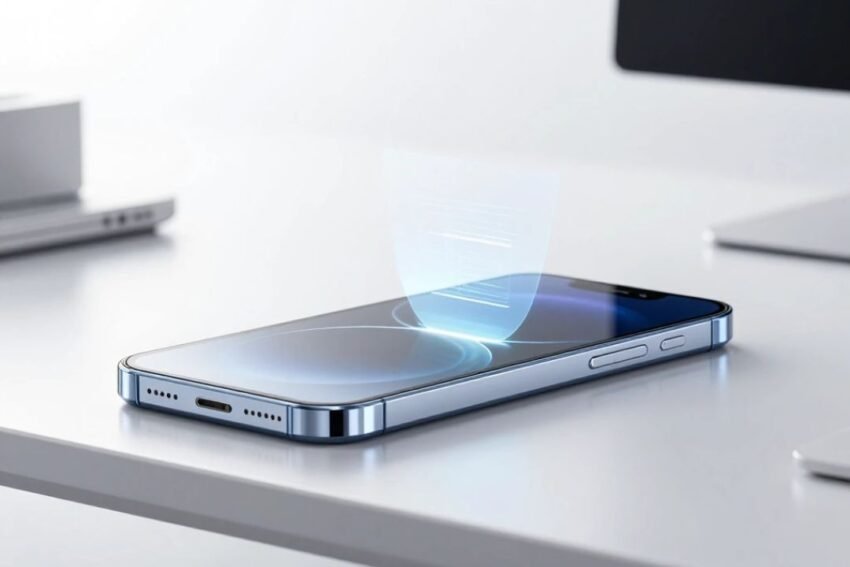
Mobile technology has become one of the most important parts of modern life. Smartphones are no longer limited to calling and messaging. Today, mobile devices are powerful computers that support artificial intelligence, entertainment, business, healthcare, education, and communication.
As technology continues to advance, the future of mobile technology in 2026 is expected to bring major innovations. Companies are focusing on creating smarter devices, faster networks, improved security, and more personalized user experiences.
The next generation of mobile technology will not only improve smartphones but also transform how people interact with digital services.
This complete guide explains the future of mobile technology, upcoming innovations in 2026, artificial intelligence in smartphones, advanced connectivity, smart devices, security improvements, and trends shaping the mobile industry.
What Is the Future of Mobile Technology?
The future of mobile technology refers to the upcoming developments and innovations that will improve mobile devices, networks, and digital experiences.
Modern mobile technology is moving toward:
- Smarter devices
- Faster communication
- Better security
- More automation
- Improved user experiences
- Advanced connectivity
In 2026, smartphones and mobile devices will become more intelligent and capable of understanding user needs through advanced technologies.
Why Mobile Technology Is Evolving Quickly
The demand for better mobile experiences continues to increase because people use smartphones for almost everything.
Mobile devices are now used for:
- Online shopping
- Banking
- Remote work
- Education
- Entertainment
- Healthcare services
- Social communication
As user expectations increase, technology companies are developing new solutions to make mobile devices faster, smarter, and more efficient.
1. Artificial Intelligence-Powered Smartphones
Artificial Intelligence (AI) is one of the biggest innovations shaping the future of mobile technology.
In 2026, smartphones will become more intelligent by using AI to understand user behavior and provide personalized experiences.
AI features in smartphones may include:
- Smart assistants
- AI-powered cameras
- Voice recognition
- Automated tasks
- Personalized recommendations
AI will help smartphones perform tasks faster and make everyday activities easier.
AI in Mobile Cameras
Mobile photography is improving with artificial intelligence.
AI-powered cameras can:
- Improve image quality
- Adjust lighting automatically
- Remove unwanted objects
- Enhance portraits
- Optimize photos instantly
Future smartphones will use AI to create professional-quality images without requiring advanced photography skills.
AI Personal Assistants
Future mobile assistants will become more advanced.
Instead of only answering basic questions, AI assistants will help users with:
- Managing schedules
- Finding information
- Creating content
- Controlling smart devices
- Automating daily tasks
AI assistants will become more like personal digital helpers.
2. Advanced 5G and Future 6G Connectivity
5G technology is already changing mobile connectivity, but research into future networks continues.
In the future, advanced 5G improvements and early 6G developments may provide:
- Faster internet speeds
- Lower response times
- Better device connectivity
- Improved network reliability
Faster networks will support advanced technologies such as:
- Virtual reality
- Smart cities
- Autonomous vehicles
- Connected devices
3. Foldable and Flexible Smartphones
Foldable smartphones are becoming more popular and are expected to improve further in 2026.
Future foldable devices may offer:
- Stronger flexible screens
- Better durability
- Improved designs
- Larger display areas
Foldable technology allows users to have larger screens while maintaining smartphone portability.
Benefits of Flexible Displays
Flexible displays can improve:
- Productivity
- Entertainment experiences
- Multitasking
- Mobile gaming
Users may be able to transform their smartphones into tablet-like devices.
4. Improved Mobile Security
Security will remain a major focus in future mobile technology.
As smartphones store more personal information, companies are developing stronger protection methods.
Future security improvements may include:
- Advanced biometric authentication
- AI-based threat detection
- Better encryption
- Privacy-focused features
Mobile security will become more important as users depend on smartphones for financial and personal activities.
Biometric Security Advancements
Future smartphones may use improved biometric systems such as:
- Faster fingerprint recognition
- Advanced face recognition
- Voice authentication
These technologies provide convenient and secure access to devices.
5. Augmented Reality (AR) and Virtual Reality (VR)
Augmented Reality and Virtual Reality are expected to become more important in mobile technology.
AR adds digital information to the real world, while VR creates completely virtual experiences.
Mobile AR and VR applications may improve:
- Gaming
- Education
- Shopping
- Training
- Entertainment
For example, users may preview products in their homes before buying them using AR technology.
6. Internet of Things (IoT) Integration
The Internet of Things connects smart devices through the internet.
Future mobile devices will work more closely with IoT systems.
Examples include:
- Smart home devices
- Smart watches
- Connected vehicles
- Health monitoring devices
Smartphones will become central control systems for connected environments.
Mobile Technology and Smart Homes
Future smartphones will control more smart home features.
Users may manage:
- Security cameras
- Lighting systems
- Home appliances
- Temperature controls
Improved connectivity will make smart homes easier and more efficient.
7. Better Battery Technology
Battery life remains one of the biggest challenges in mobile technology.
Future innovations may focus on:
- Faster charging
- Longer battery life
- More efficient power usage
- Advanced battery materials
Improved batteries will allow users to spend more time using devices without frequent charging.
Fast Charging Improvements
Future smartphones may provide:
- Faster charging speeds
- Safer charging systems
- Better battery management
This will improve convenience for everyday users.
8. Cloud-Based Mobile Experiences
Cloud technology will play a bigger role in mobile applications.
Cloud-based services allow users to access powerful features without relying only on device hardware.
Benefits include:
- More storage options
- Better performance
- Easy data access
- Improved application experiences
Cloud technology may allow smartphones to perform advanced tasks using remote computing power.
9. Mobile Gaming Innovations
Mobile gaming is growing rapidly, and future smartphones will provide better gaming experiences.
Innovations may include:
- Advanced graphics
- AI-powered gameplay
- Cloud gaming
- Faster network performance
With better processors and connectivity, mobile devices will compete more closely with traditional gaming platforms.
10. Sustainable Mobile Technology
Environmental concerns are influencing the future of mobile devices.
Companies are focusing on:
- Energy-efficient devices
- Recyclable materials
- Longer-lasting products
- Reduced electronic waste
Sustainable mobile technology aims to reduce environmental impact while improving performance.
11. Wearable Technology Growth
Wearable devices are becoming an important part of mobile technology.
Examples include:
- Smart watches
- Fitness trackers
- Smart glasses
Future wearables may provide:
- Health monitoring
- Better communication
- AI assistance
- Advanced sensors
Smartphones and wearable devices will continue working together.
12. Mobile Healthcare Innovations
Mobile technology is transforming healthcare services.
Future mobile healthcare solutions may include:
- Remote health monitoring
- Digital medical records
- Health tracking applications
- AI-based health recommendations
Smartphones may become important tools for managing personal health.
13. Better Mobile Privacy Features
Privacy is becoming a major concern for smartphone users.
Future mobile systems will focus on:
- Better data control
- Transparent permissions
- Secure applications
- Privacy protection tools
Users will have more control over how their information is collected and used.
14. Edge Computing in Mobile Technology
Edge computing allows data processing closer to the user instead of relying only on distant servers.
Benefits include:
- Faster response times
- Reduced delays
- Better performance
Edge computing will support applications requiring instant responses.
15. Future of Mobile Applications
Mobile applications will become smarter and more personalized.
Future apps may use:
- Artificial intelligence
- Automation
- Cloud technology
- Advanced analytics
Applications will better understand user needs and provide customized experiences.
Skills and Technologies Driving Mobile Innovation
The future of mobile technology depends on several important fields:
- Artificial intelligence
- Machine learning
- 5G networks
- Cloud computing
- Cybersecurity
- Internet of Things
- Advanced hardware design
These technologies are working together to create the next generation of mobile experiences.
Challenges in Future Mobile Technology
Although mobile technology is improving quickly, some challenges remain.
Privacy Concerns
More connected devices create greater privacy challenges.
High Development Costs
Advanced technologies require significant investment.
Security Risks
More digital connections create new cybersecurity threats.
Technology Accessibility
Not everyone has equal access to the latest devices and networks.
Future Impact of Mobile Technology
Mobile technology will continue changing how people live and work.
Future impacts include:
- Better communication
- Smarter businesses
- Improved healthcare
- More efficient education
- Advanced entertainment
Mobile devices will become even more integrated into everyday life.
Frequently Asked Questions (FAQs)
What is the future of mobile technology?
The future of mobile technology includes AI-powered devices, faster networks, improved security, smart connectivity, and advanced mobile experiences.
Will smartphones become more intelligent?
Yes, AI will make smartphones smarter by providing personalized features and automated assistance.
What technologies will shape mobile innovation in 2026?
Important technologies include AI, 5G, cloud computing, IoT, AR, VR, and advanced security systems.
Are foldable phones the future?
Foldable phones are expected to grow because they provide larger displays with portable designs.
How will AI change smartphones?
AI will improve cameras, assistants, security, applications, and overall user experiences.
Conclusion
The future of mobile technology in 2026 will bring exciting innovations that transform how people communicate, work, and interact with digital services. Artificial intelligence, advanced connectivity, foldable devices, smart ecosystems, and improved security will shape the next generation of mobile experiences.
As smartphones become smarter and more connected, mobile technology will continue playing a central role in everyday life. Businesses, developers, and users who understand these trends will be better prepared for the future digital world.