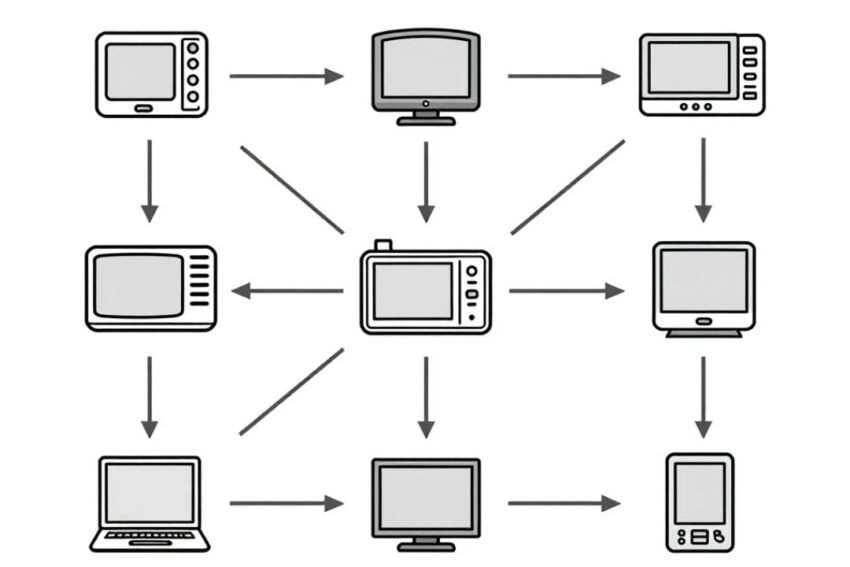
The modern world is becoming more connected every day. From smart homes and wearable devices to connected cars and industrial machines, technology is allowing devices to communicate with each other without constant human control. This advanced system of connected devices is known as the Internet of Things (IoT).
IoT is one of the most important technologies shaping the future of digital transformation. It combines internet connectivity, sensors, software, artificial intelligence, and networking systems to create smart environments where devices can collect data, share information, and perform automated actions.
Today, IoT technology is being used in homes, businesses, healthcare, transportation, agriculture, and smart cities. As internet speeds improve through technologies like 5G and advanced Wi-Fi networks, IoT devices are becoming faster, smarter, and more efficient.
This complete guide explains what Internet of Things (IoT) is, how connected networks work, its features, benefits, uses, challenges, and future trends.
What Is the Internet of Things (IoT)?
The Internet of Things (IoT) refers to a network of physical devices that are connected to the internet and can collect, exchange, and process data.
These devices contain:
- Sensors
- Software
- Processors
- Communication technology
IoT devices can communicate with each other and perform tasks automatically.
Examples of IoT devices include:
- Smart watches
- Smart lights
- Smart security cameras
- Smart refrigerators
- Connected vehicles
- Industrial machines
- Health monitoring devices
The main purpose of IoT is to make everyday objects smarter and more useful.
How Does IoT Work?
IoT works through a combination of devices, networks, data processing systems, and applications.
The basic process includes:
- A device collects information through sensors.
- Data is transmitted through a network connection.
- Cloud systems or local servers process the information.
- The system analyzes data and takes action.
- Users can monitor or control devices through applications.
For example, a smart thermostat can detect room temperature, send data to a cloud system, analyze conditions, and automatically adjust heating or cooling.
Main Components of IoT Systems
An IoT system depends on several important components.
1. Smart Devices and Sensors
Smart devices are the foundation of IoT.
Sensors collect information from the environment.
Examples:
- Temperature sensors
- Motion sensors
- Location sensors
- Health sensors
- Camera sensors
These sensors allow devices to understand what is happening around them.
2. Connectivity and Networks
IoT devices need networks to communicate.
Common connectivity technologies include:
- Wi-Fi
- Bluetooth
- 5G networks
- Cellular networks
- Zigbee
- LoRaWAN
The choice of network depends on the device requirements.
3. Data Processing
After collecting information, IoT systems process and analyze data.
Processing can happen through:
- Cloud computing
- Edge computing
- Local systems
Data processing helps devices make intelligent decisions.
4. Cloud Platforms
Cloud technology plays an important role in IoT.
Cloud platforms provide:
- Data storage
- Device management
- Analytics
- Remote access
They allow users to control devices from anywhere.
5. User Applications
Applications allow users to interact with IoT devices.
Examples:
- Smartphone apps
- Web dashboards
- Voice assistants
Users can monitor and control connected devices easily.
How Connected Networks Make IoT Possible
Connected networks are the backbone of IoT technology.
Without reliable networks, IoT devices cannot communicate effectively.
Modern networking technologies support IoT by providing:
- Fast data transfer
- Reliable connections
- Low latency
- Support for millions of devices
Technologies such as 5G, Wi-Fi 6, and cloud networking are helping IoT expand globally.
Role of 5G in IoT Growth
5G technology is improving IoT performance significantly.
Benefits of 5G for IoT include:
- Faster communication
- Lower delay
- Support for more connected devices
- Improved reliability
5G enables advanced IoT applications such as:
- Autonomous vehicles
- Smart cities
- Industrial automation
Types of IoT Networks
Different IoT applications require different network solutions.
1. Personal IoT Networks
These are small networks used by individuals.
Examples:
- Smart watches
- Fitness trackers
- Smart home devices
2. Home IoT Networks
Smart homes use IoT networks to connect household devices.
Examples:
- Smart lights
- Smart locks
- Smart cameras
- Smart appliances
3. Industrial IoT Networks
Industrial IoT (IIoT) connects machines and systems in factories.
Uses include:
- Machine monitoring
- Automated production
- Equipment maintenance
4. Smart City Networks
Smart cities use IoT technology to improve urban services.
Examples:
- Smart traffic systems
- Smart parking
- Environmental monitoring
Benefits of Internet of Things (IoT)
IoT provides many advantages for individuals and organizations.
1. Automation and Convenience
IoT devices can perform tasks automatically.
Examples:
- Lights turning on automatically
- Smart appliances adjusting settings
- Automatic security monitoring
Automation saves time and improves comfort.
2. Better Efficiency
IoT helps optimize resources and improve performance.
Businesses can use IoT to:
- Reduce waste
- Monitor equipment
- Improve operations
3. Real-Time Monitoring
IoT allows users to monitor systems instantly.
Examples:
- Checking home security cameras
- Tracking health information
- Monitoring industrial machines
Real-time data helps users make better decisions.
4. Energy Savings
Smart devices can reduce energy consumption.
Examples:
- Smart thermostats
- Smart lighting systems
- Energy monitoring devices
These technologies help create more efficient environments.
5. Improved Security
IoT security devices provide better protection.
Examples:
- Smart cameras
- Smart alarms
- Smart access systems
Users can receive alerts and monitor locations remotely.
Uses of IoT in Everyday Life
IoT technology is already changing many areas of life.
Smart Homes
Smart homes are one of the most popular IoT applications.
Connected devices include:
- Smart lights
- Smart speakers
- Smart locks
- Smart appliances
Benefits include:
- Convenience
- Energy efficiency
- Better security
IoT in Healthcare
Healthcare is one of the fastest-growing areas for IoT.
Applications include:
- Smart health monitors
- Wearable devices
- Remote patient monitoring
IoT helps doctors collect health information and provide better care.
IoT in Transportation
Transportation systems are becoming smarter through IoT.
Examples include:
- Connected vehicles
- Smart traffic management
- GPS tracking systems
IoT improves safety and efficiency in transportation.
IoT in Agriculture
Smart farming uses IoT technology to improve agricultural production.
Applications include:
- Soil monitoring
- Smart irrigation
- Weather tracking
- Crop management
Farmers can use real-time data to improve decisions.
IoT in Businesses
Businesses use IoT to improve operations.
Examples:
- Inventory tracking
- Equipment monitoring
- Automated systems
IoT helps companies reduce costs and increase productivity.
IoT in Smart Cities
Smart cities use connected networks to improve public services.
Applications include:
- Intelligent traffic control
- Smart waste management
- Public safety systems
- Energy management
IoT helps cities become more efficient and sustainable.
Artificial Intelligence and IoT
Artificial intelligence makes IoT systems smarter.
AI helps IoT devices:
- Analyze large amounts of data
- Predict future events
- Automate decisions
- Improve performance
The combination of AI and IoT is known as Artificial Intelligence of Things (AIoT).
Cloud Computing and IoT
Cloud computing provides the infrastructure needed for IoT systems.
Cloud platforms help with:
- Data storage
- Device management
- Remote access
- Data analysis
Many IoT services depend on cloud technology.
Edge Computing in IoT
Edge computing processes data closer to where it is generated.
Benefits include:
- Faster responses
- Reduced internet usage
- Better performance
Edge computing is important for applications requiring immediate decisions.
Examples:
- Autonomous vehicles
- Industrial robots
- Security systems
Challenges of IoT Technology
Although IoT provides many benefits, it also has challenges.
1. Security Risks
Connected devices can become targets for cyber attacks.
Security problems include:
- Unauthorized access
- Data theft
- Device hacking
Strong security practices are necessary.
2. Privacy Concerns
IoT devices collect large amounts of personal information.
Users should consider:
- Data collection policies
- Privacy settings
- Security controls
3. Device Compatibility
Different manufacturers may use different systems.
This can create compatibility issues between devices.
4. High Implementation Costs
Advanced IoT systems may require investment in:
- Devices
- Networks
- Software
- Maintenance
Future of Internet of Things (IoT)
The future of IoT is expected to grow rapidly.
Important future trends include:
- AI-powered IoT systems
- Smart cities
- Advanced healthcare devices
- Autonomous vehicles
- More connected homes
As networking technology improves, billions of devices will become connected worldwide.
IoT Security Best Practices
Users and organizations should follow security practices such as:
- Using strong passwords
- Updating device software
- Protecting Wi-Fi networks
- Using encryption
- Monitoring connected devices
Security will become increasingly important as IoT adoption grows.
Frequently Asked Questions (FAQs)
What is IoT?
IoT is a technology where physical devices connect to the internet to collect and exchange data.
How do IoT devices communicate?
IoT devices communicate through networks such as Wi-Fi, Bluetooth, 5G, and other wireless technologies.
What are examples of IoT devices?
Examples include smart watches, smart homes, connected cars, and industrial sensors.
Why is IoT important?
IoT improves automation, efficiency, monitoring, and decision-making.
What is the future of IoT?
The future includes smarter devices, AI integration, smart cities, and advanced connected networks.
Conclusion
The Internet of Things is transforming the way people interact with technology. By connecting everyday devices through intelligent networks, IoT creates smarter homes, businesses, healthcare systems, and cities.
Connected networks, cloud computing, artificial intelligence, and advanced communication technologies are making IoT more powerful and accessible.
As technology continues to evolve, IoT will play a major role in building a more automated, efficient, and connected future where devices work together to improve everyday life.