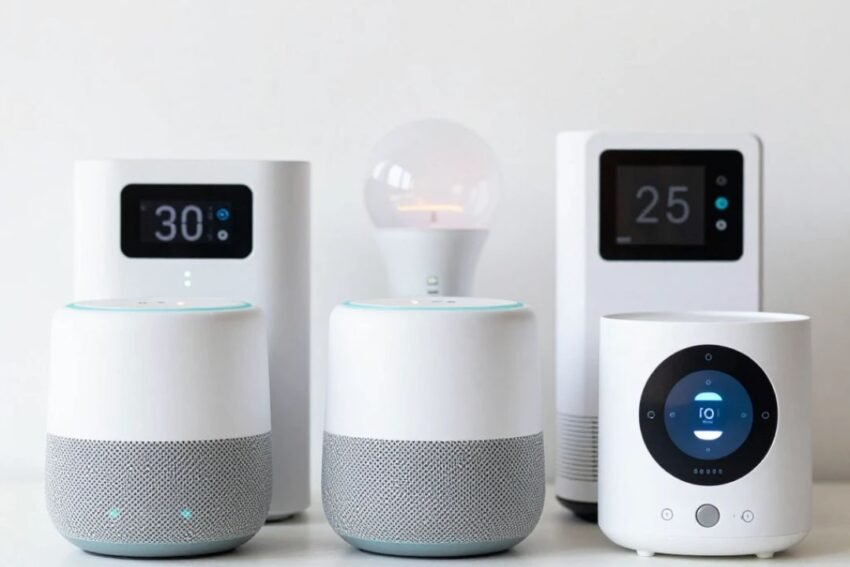
Technology has changed the way people live, work, and communicate. One of the biggest developments in modern technology is the growth of smart devices. These devices are designed to make everyday tasks easier by using advanced technologies such as artificial intelligence, internet connectivity, automation, and smart sensors.
Smart devices are becoming an essential part of homes, workplaces, healthcare, education, and entertainment. From smartphones and smart watches to smart home appliances and AI-powered assistants, these devices help users save time, improve efficiency, and enjoy a more connected lifestyle.
Unlike traditional electronic devices, smart devices can collect information, analyze data, communicate with other devices, and make intelligent decisions based on user needs.
This complete guide explains what smart devices are, their features, benefits, uses, examples, and how they are changing modern life in 2026.
What Are Smart Devices?
Smart devices are electronic devices that can connect to the internet and perform intelligent tasks automatically. These devices use software, sensors, and advanced technologies to provide better user experiences.
A smart device can:
- Connect with other devices
- Receive and process information
- Respond to commands
- Learn user behavior
- Automate different tasks
Examples of smart devices include:
- Smartphones
- Smart watches
- Smart TVs
- Smart speakers
- Smart security cameras
- Smart appliances
- Smart fitness devices
The main difference between traditional devices and smart devices is their ability to communicate and make decisions.
How Do Smart Devices Work?
Smart devices work through a combination of hardware and software technologies.
The main components include:
Sensors
Sensors collect information from the environment.
Examples:
- Temperature sensors
- Motion sensors
- Health sensors
- Camera sensors
Internet Connectivity
Smart devices use connections such as:
- Wi-Fi
- Bluetooth
- 5G networks
This allows devices to share information and receive updates.
Software and Applications
Smart devices use applications and operating systems to control functions.
Artificial Intelligence
AI helps devices understand patterns, learn preferences, and provide smarter responses.
Key Features of Smart Devices
Smart devices provide many advanced features that make them different from traditional electronics.
1. Internet Connectivity
One of the most important features of smart devices is internet connectivity.
Connected devices can:
- Access online services
- Share information
- Receive updates
- Communicate with other devices
For example, a smart security camera allows users to view their home remotely through a smartphone.
2. Automation
Automation allows smart devices to complete tasks without constant human control.
Examples include:
- Smart lights turning on automatically
- Smart thermostats adjusting temperature
- Robot vacuum cleaners cleaning without manual operation
Automation saves time and improves convenience.
3. Artificial Intelligence Integration
Artificial intelligence makes smart devices more intelligent.
AI allows devices to:
- Understand voice commands
- Learn user habits
- Provide recommendations
- Improve performance
AI-powered devices become more personalized over time.
4. Voice Control
Many smart devices support voice commands.
Users can control devices by speaking.
Examples:
- Playing music
- Searching information
- Setting reminders
- Controlling smart home devices
Voice control makes technology easier to use.
5. Remote Access
Smart devices can often be controlled from anywhere through mobile applications.
For example:
- Checking security cameras while traveling
- Turning lights on or off remotely
- Monitoring home appliances
Remote access provides flexibility and convenience.
6. Data Collection and Analysis
Smart devices collect information to improve performance.
Examples:
- Fitness trackers analyze activity levels
- Smart thermostats learn temperature preferences
- Smartphones optimize battery usage
Data analysis helps devices provide better experiences.
7. Device-to-Device Communication
Smart devices can communicate with each other.
This technology is known as the Internet of Things (IoT).
Examples:
- Smart lights connected with smart speakers
- Smart watches connected with smartphones
- Smart appliances connected with home systems
Types of Smart Devices
There are many categories of smart devices available today.
1. Smart Smartphones
Smartphones are the most common smart devices.
They provide features such as:
- Internet access
- AI assistants
- Advanced cameras
- Mobile applications
- Digital payments
Modern smartphones act as personal computers that fit in your pocket.
2. Smart Watches and Wearables
Wearable smart devices are becoming popular because of health and fitness features.
Examples include:
- Smart watches
- Fitness trackers
- Smart rings
They can monitor:
- Heart rate
- Sleep patterns
- Exercise activity
- Daily movement
3. Smart Home Devices
Smart home technology is transforming traditional houses into connected environments.
Examples include:
- Smart lights
- Smart speakers
- Smart locks
- Smart cameras
- Smart thermostats
These devices improve comfort, security, and energy efficiency.
4. Smart Entertainment Devices
Entertainment devices are becoming smarter with internet connectivity.
Examples include:
- Smart TVs
- Streaming devices
- Gaming systems
- Smart speakers
They provide personalized entertainment experiences.
5. Smart Health Devices
Healthcare technology is improving through smart devices.
Examples:
- Digital health monitors
- Smart fitness equipment
- Medical sensors
These devices help users track health information.
6. Smart Office Devices
Businesses are also adopting smart technology.
Examples include:
- Smart conference systems
- Connected printers
- Smart security systems
- Digital collaboration tools
Smart office devices improve workplace efficiency.
Benefits of Smart Devices
Smart devices provide many advantages in daily life.
1. Increased Convenience
Smart devices reduce manual effort by automating tasks.
Examples:
- Automatic lighting control
- Voice-controlled assistants
- Smart cleaning devices
Users can complete tasks faster and more easily.
2. Improved Productivity
Smart devices help users manage work and personal activities.
They provide:
- Reminders
- Digital calendars
- Task management tools
- Communication features
Professionals can use smart technology to improve efficiency.
3. Better Energy Efficiency
Smart devices can help reduce energy usage.
Examples:
- Smart thermostats adjust heating and cooling
- Smart lights turn off when not needed
- Smart appliances optimize power consumption
This helps save energy and reduce costs.
4. Enhanced Security
Smart security devices improve protection.
Benefits include:
- Remote monitoring
- Real-time alerts
- Motion detection
- Smart locks
Users can protect homes and businesses more effectively.
5. Health Improvement
Wearable smart devices encourage healthier lifestyles.
They help users:
- Track fitness goals
- Monitor health activities
- Improve sleep habits
Health data can help people make better lifestyle decisions.
6. Personalized Experiences
Smart devices learn user preferences.
Examples:
- Music recommendations
- Customized settings
- Personalized notifications
AI allows devices to provide experiences based on individual needs.
Uses of Smart Devices in Everyday Life
Smart devices are used in many areas.
Smart Devices at Home
At home, smart devices help with:
- Security
- Entertainment
- Lighting control
- Temperature management
- Appliance automation
Smart homes provide more comfort and convenience.
Smart Devices in Education
Technology has changed learning methods.
Smart devices support:
- Online classes
- Digital books
- Educational applications
- Interactive learning
Students can access information from anywhere.
Smart Devices in Healthcare
Healthcare professionals use smart technology for:
- Patient monitoring
- Health tracking
- Remote consultations
Smart devices improve healthcare accessibility.
Smart Devices in Business
Businesses use smart devices to improve:
- Communication
- Security
- Productivity
- Customer experiences
Smart technology helps organizations operate more efficiently.
Smart Devices in Transportation
Modern transportation uses smart technology.
Examples include:
- GPS systems
- Connected vehicles
- Smart traffic systems
These technologies improve safety and efficiency.
Artificial Intelligence and the Future of Smart Devices
Artificial intelligence is making smart devices more powerful.
Future AI-powered devices will:
- Understand users better
- Predict needs
- Automate more tasks
- Provide smarter recommendations
AI will continue playing an important role in the development of smart technology.
Internet of Things (IoT) and Smart Device Growth
The Internet of Things is one of the biggest reasons smart devices are becoming popular.
IoT connects different devices and allows them to work together.
Examples:
- Smart homes
- Smart cities
- Connected vehicles
- Industrial automation
IoT is creating a more connected digital world.
Challenges of Smart Devices
Although smart devices provide many benefits, they also have some challenges.
Privacy Concerns
Smart devices collect large amounts of information.
Users should consider:
- Data collection policies
- Privacy settings
- Security options
Cybersecurity Risks
Connected devices can become targets for hackers.
Protection methods include:
- Strong passwords
- Regular updates
- Secure networks
High Costs
Advanced smart devices can sometimes be expensive.
Users should choose devices according to their needs and budget.
Dependence on Technology
Heavy reliance on smart devices can create challenges if devices stop working or internet access is unavailable.
Future of Smart Devices
The future of smart devices will focus on creating more intelligent, efficient, and connected technology.
Future trends include:
- AI-powered personal assistants
- Advanced wearable technology
- Smart homes
- Better healthcare devices
- Sustainable technology
Smart devices will continue becoming an important part of everyday life.
Frequently Asked Questions (FAQs)
What are smart devices?
Smart devices are electronic devices that use internet connectivity, sensors, and software to perform intelligent tasks.
What are examples of smart devices?
Examples include smartphones, smart watches, smart TVs, smart speakers, and smart home appliances.
How do smart devices work?
Smart devices work using sensors, software, internet connectivity, and artificial intelligence.
Are smart devices useful?
Yes, smart devices improve convenience, productivity, security, and efficiency.
What is the future of smart devices?
The future includes more AI-powered, automated, and connected devices.
Conclusion
Smart devices are changing the way people interact with technology. These devices provide convenience, automation, better security, improved health monitoring, and smarter experiences.
From smartphones and wearables to smart homes and connected systems, smart technology is becoming a major part of modern life.
As artificial intelligence and IoT continue to develop, smart devices will become even more powerful and personalized. The future will bring a world where technology works more naturally with people and helps make everyday activities easier, faster, and more efficient.